

It’s summer, and Yosemite National Park beckons. But take it from a lifelong Californian: Steer clear.
According to reporting in the New York Times, summer visitors looking for John Muir’s muse are finding the Sierra Nevada equivalent of Disneyland on a hot summer weekend. That’s because the termination of Yosemite’s high-season reservation system means the National Park Service has lost what little crowd-control power it had. As a result, tourists now pack trails and strain infrastructure to the brink.
Thankfully, California has an embarrassment of natural-beauty riches that are easily accessible in the summer and offer something akin to the Yosemite experience, minus the overtourism. Here are some of those places – and if you have your own recommendations, send them to forum@golden-state.org.
Golden State gives a special shoutout to Laura Nelson, Matthew Pearce and every one of our recent donors. Join these heroes of fearless California journalism by making a tax-deductible donation today!
The White Mountains
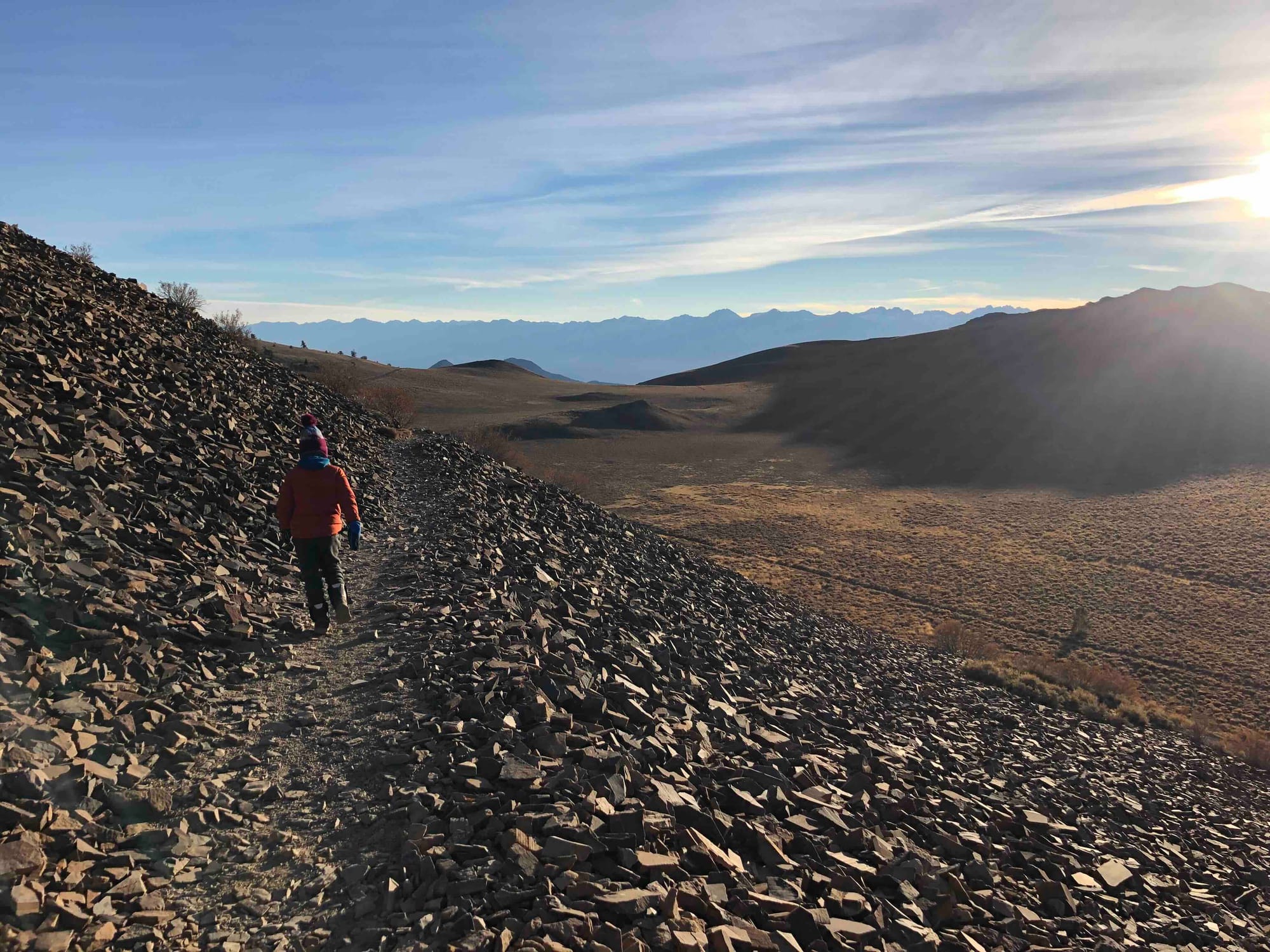
This is my California happy place.
Most road-trippers on Highway 395 through Owens Valley fix their gaze on the 10,000-foot Sierra Nevada eastern escarpment to the west. So without a second thought they’ll motor past the Highway 168 turnoff in Big Pine, a road that leads explorers east into the White Mountains near the California-Nevada border.
That’s a shame. The range tops out at more than 14,000 feet in elevation and offers visitors truly awe-inspiring panoramas. It is also home to some of the oldest known trees on Earth, without the crowds of more popular Sierra Nevada attractions.
A warning: There’s no drinkable water, even at the area’s most popular campground. So that half-empty plastic water bottle in your car’s cupholder won’t do.
Big Bear
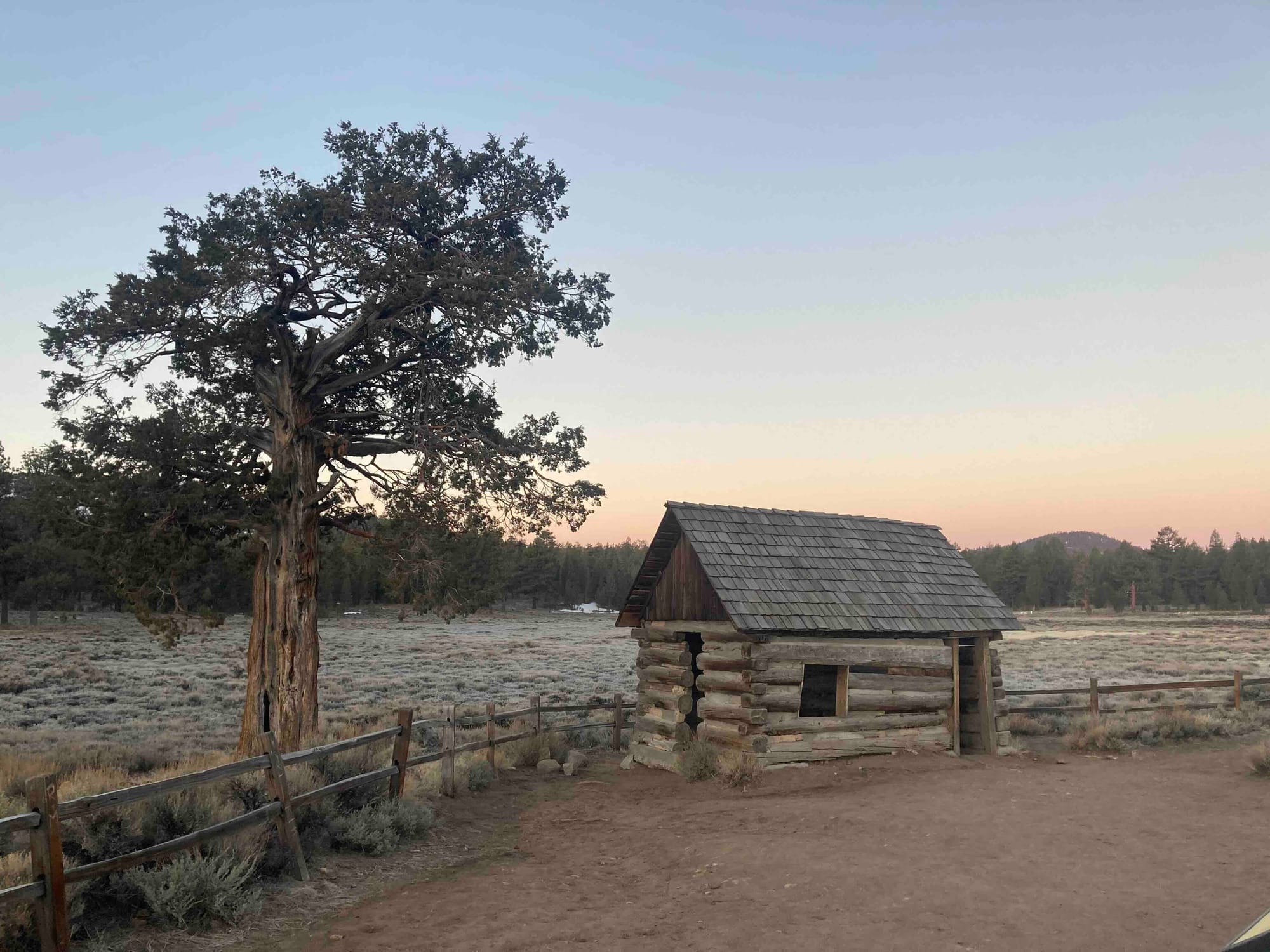
Another one of my California happy places, but only at the right time of year.
Aside from the Fourth of July, summer and fall crowds tend to be pretty mild, making this a good time to visit. The place offers some of the best mountain trails in Southern California, old-growth forests, the seldomly visited site of a 19th-century gold-mining boomtown and unparalleled views of the Mojave Desert.
Plus, the area could use a tourism boost after a less-than-stellar winter ski season.
A warning: Locals have absolutely had it with visitors leaving their trash everywhere. Don’t be one of those people.
Pinnacles National Park
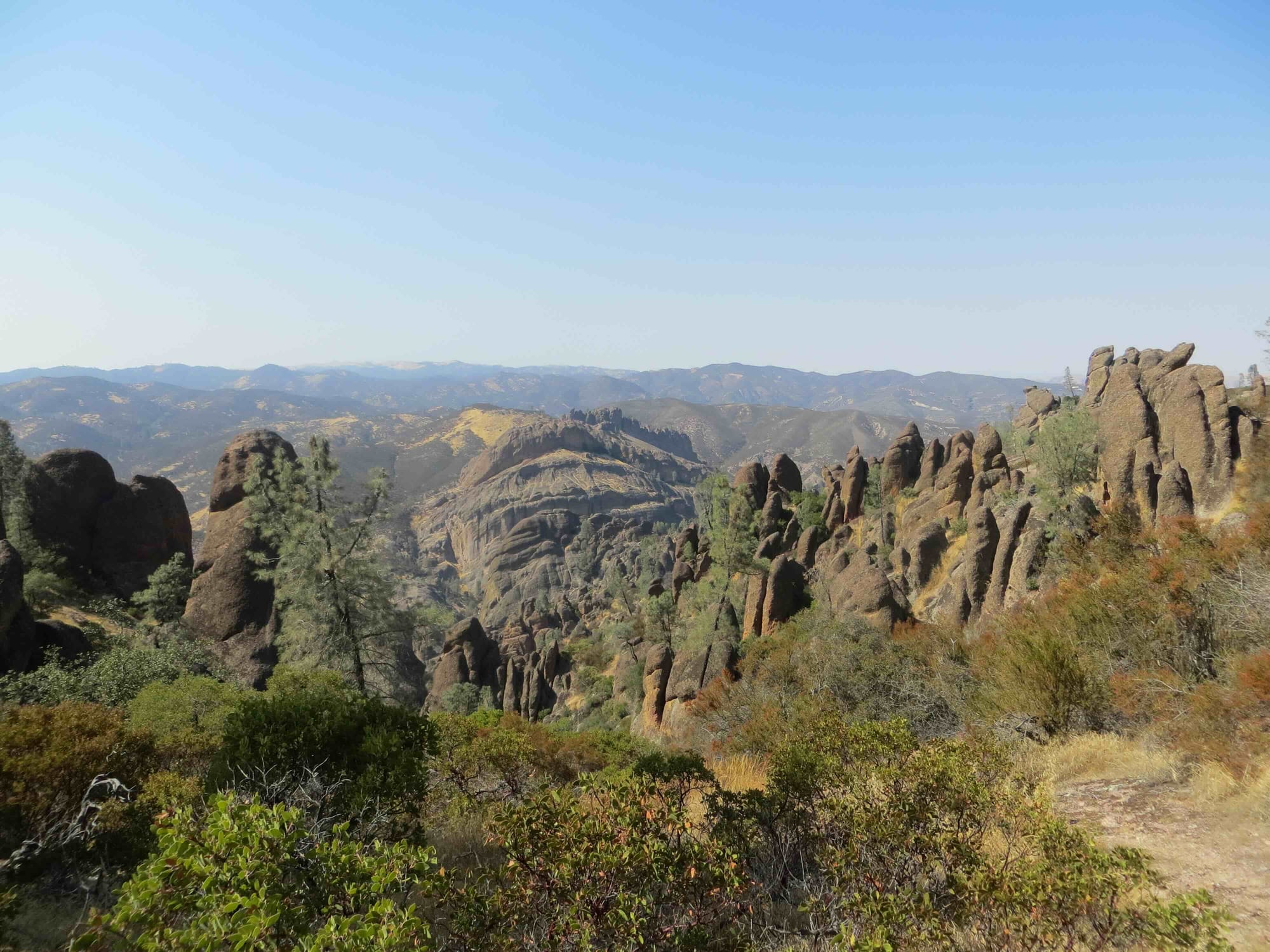
Come for the other-wordly rock formations and caves, stay for the incomparable geology lesson.
California’s smallest and newest national park, near the Salinas Valley town of Soledad, protects the remnants of an ancient volcano that formed along the boundary between the Pacific and North American tectonic plates millions of years ago. What you’ll see at Pinnacles is the western part of the ancient volcano that migrated northwest. (The less-remarkable eastern flank sits near Lancaster along the San Andreas Fault.)
A warning: Summers can get very hot at Pinnacles. The bright side? Visitors don’t have to worry about the effects of high altitude.
The Modoc Plateau
In California’s remote far north, an area some locals call the “State of Jefferson,” is a rugged and isolated volcanic high plateau.
The place is plenty scenic, yes, given the proximity to California’s portion of the volcanic Cascade range. But this is one of the few places in California where I’ve ever truly felt alone – not lonely, but enveloped and rejuvenated by the high-desert scenery.
A warning: This area isn’t really close to anything, so stock up accordingly and prepare for a long drive.
But if you must see Yosemite …
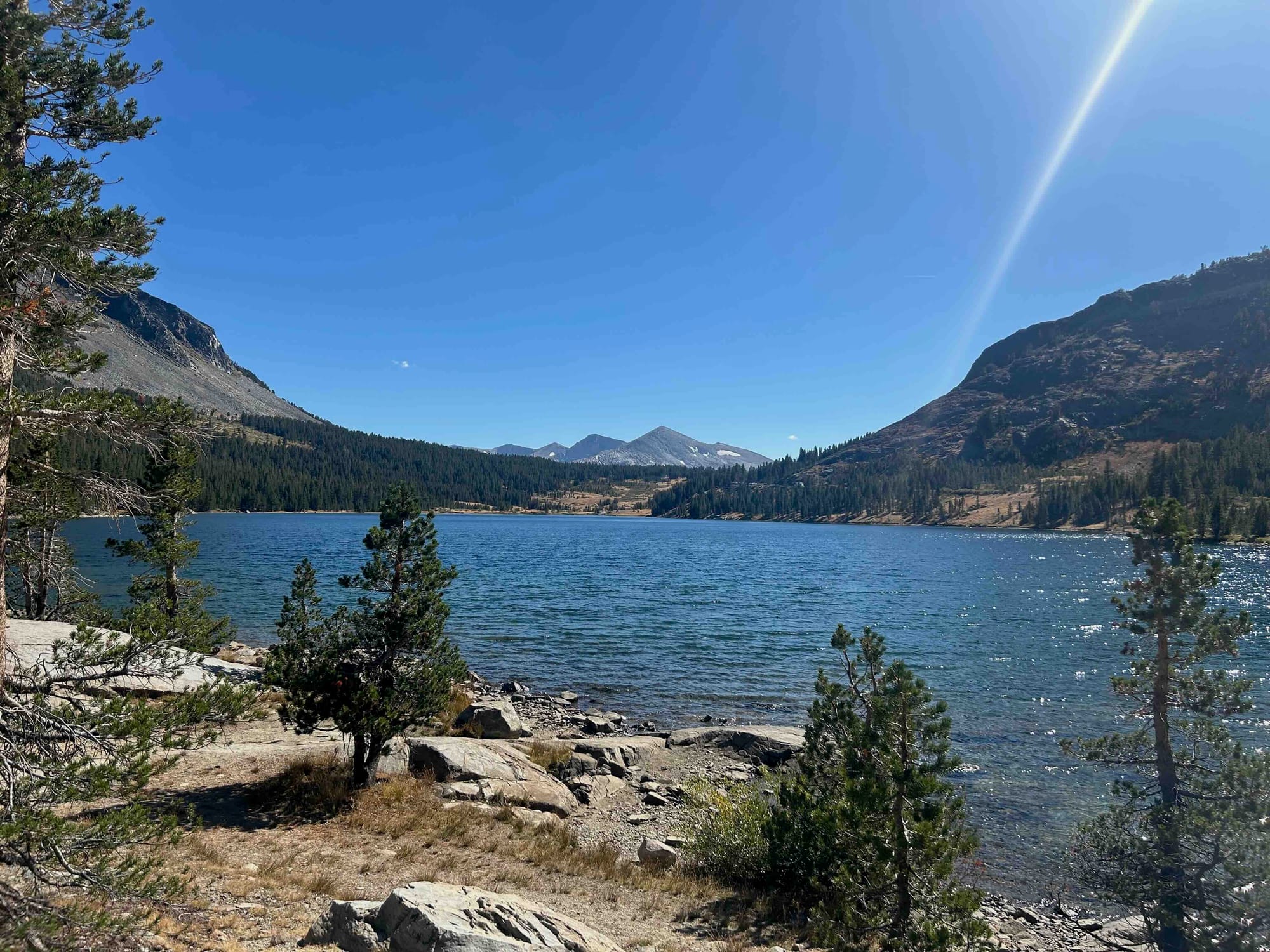
Avoid any place near the western Sierra foothills (including the namesake valley). Instead, come in from the less-crowded east at Tioga Pass. The trek from Southern California and the Bay Area is longer, but the scenery is so worth the added time.
The east end of the park has additional perks: easy access to the ghost town of Bodie, Mono Lake and the Whoa Nellie Deli in Lee Vining at one of the best gas stations in the world.
Finally, avoid this place like the plague
Don’t go to Death Valley. The heat can (and does) kill visitors in the summer. And when the occasional thunderstorm provides cooling relief, the sudden downpour can wash out the roads leading back to civilization.
Shameless self promotion
We spend most of our professional energy growing and maintaining Golden State, but we still rely on side hustles such as writing for other outlets to help pay the bills. Besides, in this new media landscape, there are no competitors, only collaborators.
The world will be watching: Proposition 40, the billionaire tax, is likely to be the most-talked about of the 14 state measures before voters in November. Not just in California, but the nation. If the voters of the most-populous state decide to stick it to the B-man, you can bet the “tax the rich” fervor will spread. That’s the gist of the piece Mariel wrote for the Boston Globe that was posted Monday. It’s behind a paywall, but we will reprint the full thing at golden-state.org on Thursday.
Polluting for a good cause: The stands that sell fireworks in dozens of L.A. County cities every Fourth of July are coming down after the holiday. These are not the pyrotechnics shot high into the air, lighting up the night sky – those are outlawed everywhere in California – but the “safe and sane” variety legal in dozens of cities in Los Angeles County. Though they pollute the air and pose safety risks, they’re difficult to ban because nonprofits sell them to raise money – and raise hell when local city councils consider outlawing them. Paul wrote about this for L.A. Reported.
Noted, With Comment
By Mariel Garza
Bring back the tests: The New York Times opinion section has had a lot to say about California governance and institutions lately (including excoriating the state for not counting votes quicker). On Monday, its editorial board (which exists, unlike the L.A. Times’) noted that practically everyone agrees it was a mistake to dump the SAT and ACT for undergraduate admissions at the University of California system. The board urged regents to reinstate the test when the board meets next week.
The other plastic peril: The near-explosion at an Orange County chemical plant in May wasn’t a one-off, says Veronica Herrera, a UCLA professor studying the impacts of plastic making, in a CalMatters essay. Fires, leaks and explosions are common at plastics manufacturing plants, illustrating yet another way that single-use plastic is an environmental menace.
 Elmira Muradkhanyan
A fix for low-turnout elections: Alameda County is spending millions to have voters decide who will serve the remainder former Rep. Eric Swalwell’s term after he resigned from Congress in April over allegations of sexual abuse and misconduct. Ranked choice voting could have filled the seat in a single election and ensured the winner was someone with broad support, Paul Haughey with CalRCV wrote in an op-ed for Bay Area News Group outlets.
Built for growth: California public schools have been losing students for years for a variety of reasons. The state’s largest school district has naturally taken the largest hit, with L.A. Unified enrollment cut nearly in half over the last 20 years. Yet, the district is still operating like it is 2006, notes Republican strategist Jon Fleischman at his Substack.
Anti-semitism or just rudeness? San Francisco liberals have a growing anti-semitism problem, argues Eric Kingsbury, a local Democratic Party activist, in the moderate-leaning S.F. Standard. That was on display when state Sen. Scott Weiner, a candidate for outgoing Rep. Nancy Pelosi’s seat, was run out of the June 26 Trans March over his support for Israel’s existence. Nope, contends Joe Eskenazi, a columnist for Mission Local, a progressive news outlet. The Weiner ejection was about a few radicals acting out and was amplified by “bad-faith purveyors of misinformation.”
 Elmira Muradkhanyan
About that thing we wrote …
Noncitizen voting off the table: After the Los Angeles City Council approved a measure for the November ballot that would allow noncitizens to vote in city and school elections, I wrote in Golden State that this was a supremely bad time for this kind of symbolic, virtue-signaling action. It turned out many people from various political backgrounds felt the same way and let the council know. Before heading out for the July recess, the council reversed itself.


