

Can you make denser, more affordable housing so cool that people will forget their objections to it? Can you shift the narrative in Los Angeles from one of fear around new development to one of anticipation and excitement?
These questions now weigh heavily on the mind of Donna Bojarsky. The longtime civic activist and leader has spent the better part of her life preoccupied with tying together the fraying ends of the city’s civic and social fabric and weaving it into common cause. About a decade ago, she founded Future of Cities: Los Angeles, an organization with the goal of bringing a cross section of movers and shakers in various fields to tackle big civic ideas.
And now, Bojarsky is focusing on a topic that may finally be the thing that could bring Angelenos together: housing.
Or rather, the lack of it. By all accounts, the city of Los Angeles has a severe shortage of houses and apartments that regular people can afford. Rents are among the highest in the nation, and the median home price is about $1 million. The lack of affordable housing is driving people out of the city, or onto the streets and into shelters and encampments. The state estimates that the city of Los Angeles needs about 450,000 new housing units by 2029 to keep up with demand.

Golden State is a reader-supported publication. No billionaires tell us what to do. Help us to stay independent with a tax-deductible donation.
Ideas for how to increase inventory abound, as does legislation to forcibly “upzone” recalcitrant cities such as Los Angeles. But top-down solutions will only get you so far without the buy-in of communities. And mandates don’t exactly engender positive reactions among residents who may already feel that they have little control over how their communities are changing. Many people view any new development — no matter how essential — as something happening to their neighborhood, not for it.
Bojarsky understands the disconnect. That’s why she created a new initiative for FOC-LA called L.A. Possible.
The goal is not to think up policy changes — plenty of organizations are doing that — but to create a vision so compelling it can win over the hearts and minds of Angelenos so they are eager to close the housing gap. “We have to convince people not to say no to everything, but we also have to show them that there's something that's worth saying yes to,” Bojarsky said.
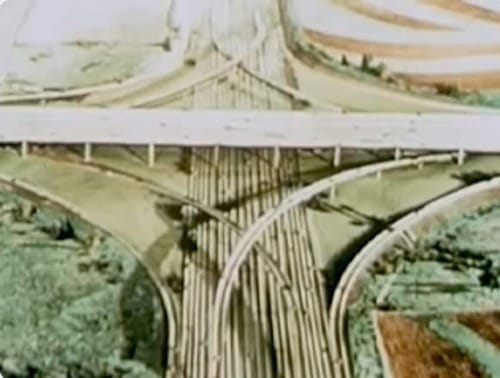
To that end, she envisions a multi-part campaign with ambitious elements such a documentary and an immersive public demonstration akin to General Motor’s “Futurama” exhibit at the 1939 New York World's Fair. Instead of selling an attractive car-centric future to a skeptical nation, however, L.A. Possible would create a full-scale walk-through permanent public exhibit of a housing development so inclusive, human-focused and beautiful that Angelenos would rally behind it.
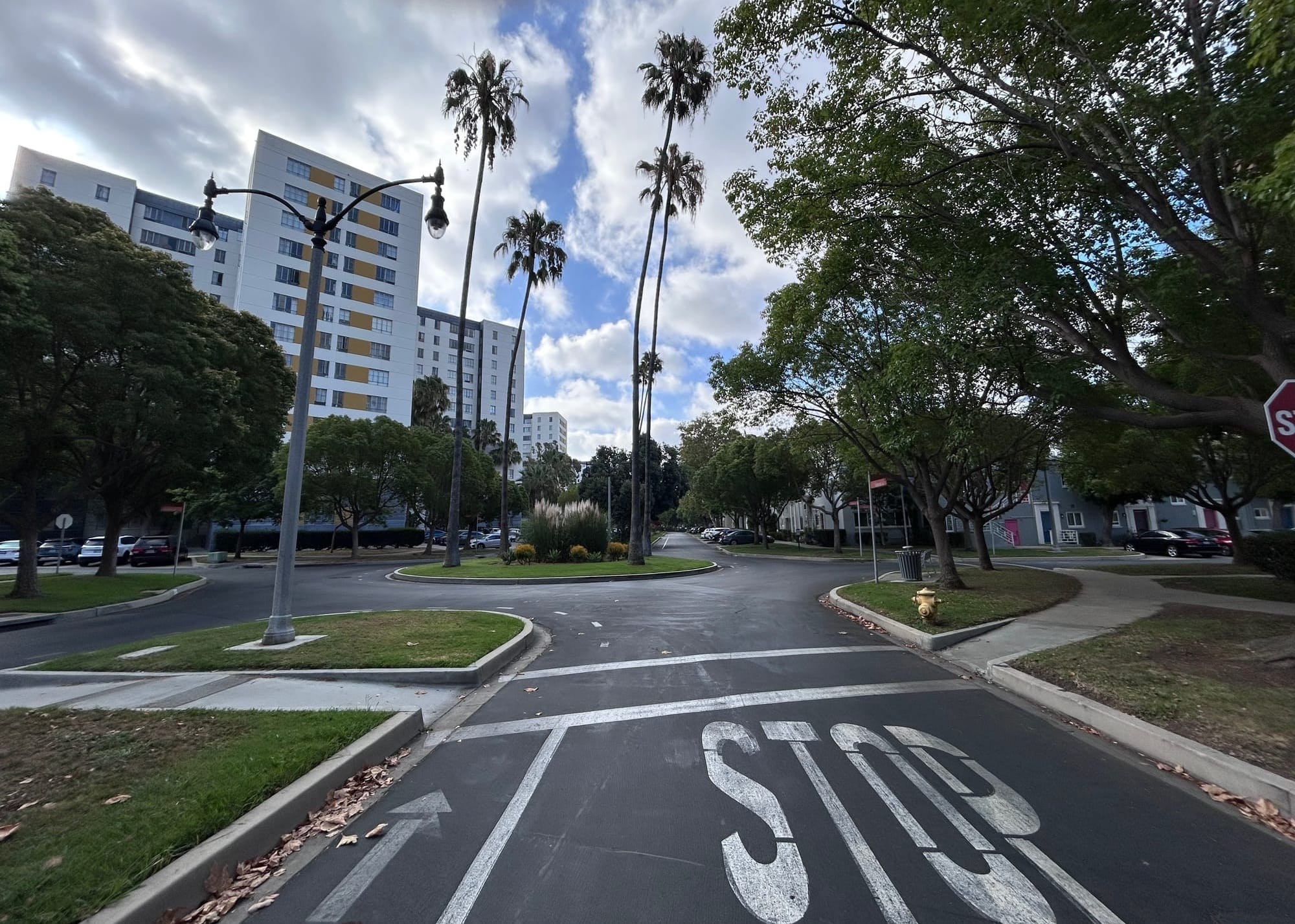
To help shape that vision, Bojarsky assembled a group heavier on creative minds — architects, innovators, urban planners — than policy wonks. Among them: architects Patrick Tighe and Ron Radziner of Marmol Radziner, and Prophet Walker, co-founder of Treehouse, which has built co-living communities in Hollywood and Koreatown.
And, importantly, one of the most influential elected officials in the region: L.A. County Supervisor Lindsay Horvath.
 Paul Thornton
Horvath, a millennial and a renter, told me that Bojarsky’s pitch for L.A. Possible resonated on a personal level, and she is excited about the novel approach. “It's not just a sort of a planning commission report out to people, but [a plan for] what is possible. Let's dream: Tell me what you think looks beautiful. Tell me the communities that you think are the most livable and enjoyable to be around,” she said.
Horvath, a member of the Metro board of directors, saw that kind of engagement pay off during negotiations over adding a rail line through Sepulveda Pass. Powerful local groups such as the Sherman Oaks Homeowners Association and the Bel-Air Association presented significant opposition to a new mass transit link between the Westside and the San Fernando Valley. Homeowners worried about the associated construction, noise and traffic impacts of the various transit proposals. But after being included in the decision process, some of the opponents became supporters. “To me, that's a testament to how you work with the community and just being thoughtful in your solutions and making the objective: How do we get to yes instead of allowing people the no option?"
Bruce Katz, a senior advisor to the National Housing Crisis Task Force, is a fan of Bojarsky’s initiative. “What I think is so impressive about L.A. Possible is it starts with the premise that localities, cities and counties and states are going to need to think big again and implement at scale," he said. "And that requires, I think, a different understanding of the nature of the challenge.”
As lovely as the notion of buy-in sounds, it is a pretty tall order. After all, community resistance to denser housing has a long history in L.A. Housing advocates told me that California’s current crisis is rooted in community resistance that led to deliberate downzoning efforts decades ago, aimed squarely at affordable housing and the type of folks who might benefit from it. Proposition U, for example, a slow-growth measure passed by Los Angeles voters in 1986, cut in half the allowable size of new buildings. The measure stunted L.A.’s growth, contributing to the severe crunch today.
Happily, local attitudes about housing have shifted somewhat. In 2017, voters overwhelmingly rejected Measure S, which would have put a two-year moratorium on apartment building construction. But anti-density concerns remain, as evidenced by considerable opposition among residents and city leaders to Senate Bill 79 last year. The law overrides zoning in large cities such as Los Angeles to allow new construction of up to nine stories in heavily used transit hubs.
Jesse Zwick, a member of the Santa Monica City Council, chuckled when I asked him about L.A. Possible’s goal of shifting the narrative on housing. It’s something he said he thinks about all the time in his job as the Southern California director of the Housing Action Coalition. The city’s identity, as a collection of small, insular neighborhoods lacking a strong, central civic identity makes overcoming fear of denser development particularly challenging.
But the work is still essential.
 Mariel Garza
“Ultimately policies and their effects on pro formas determine whether housing gets built,” Zwick said. “But it's a not insignificant piece of the puzzle to actually create a different kind of culture and understanding around the issue that would be upstream of those policies.” Without that understanding, he said, it is “very hard to get the right policies.”
In other words, getting the community on board is key to changing policy.
Winning over density-skeptical Angelenos won't be easy, but L.A. Possible's novel gambit is a welcome effort to re-think approaches that haven’t worked.

If you enjoy what you're reading, please consider upgrading to a paid subscription and support independent, home-grown journalism.


