Joel Bellman, a former editorial and op-ed writer at the Los Angeles Herald-Examiner and an award-winning radio editorial and documentary producer, served for 26 years as press deputy to three Los Angeles County Supervisors.
Voting is in my blood.
From the time I was little, my parents would take me with them to the polls, a tradition I carried on with my own kids — followed by a pancake breakfast as a sweetener. Later, Mom was active for many years in the League of Women Voters.
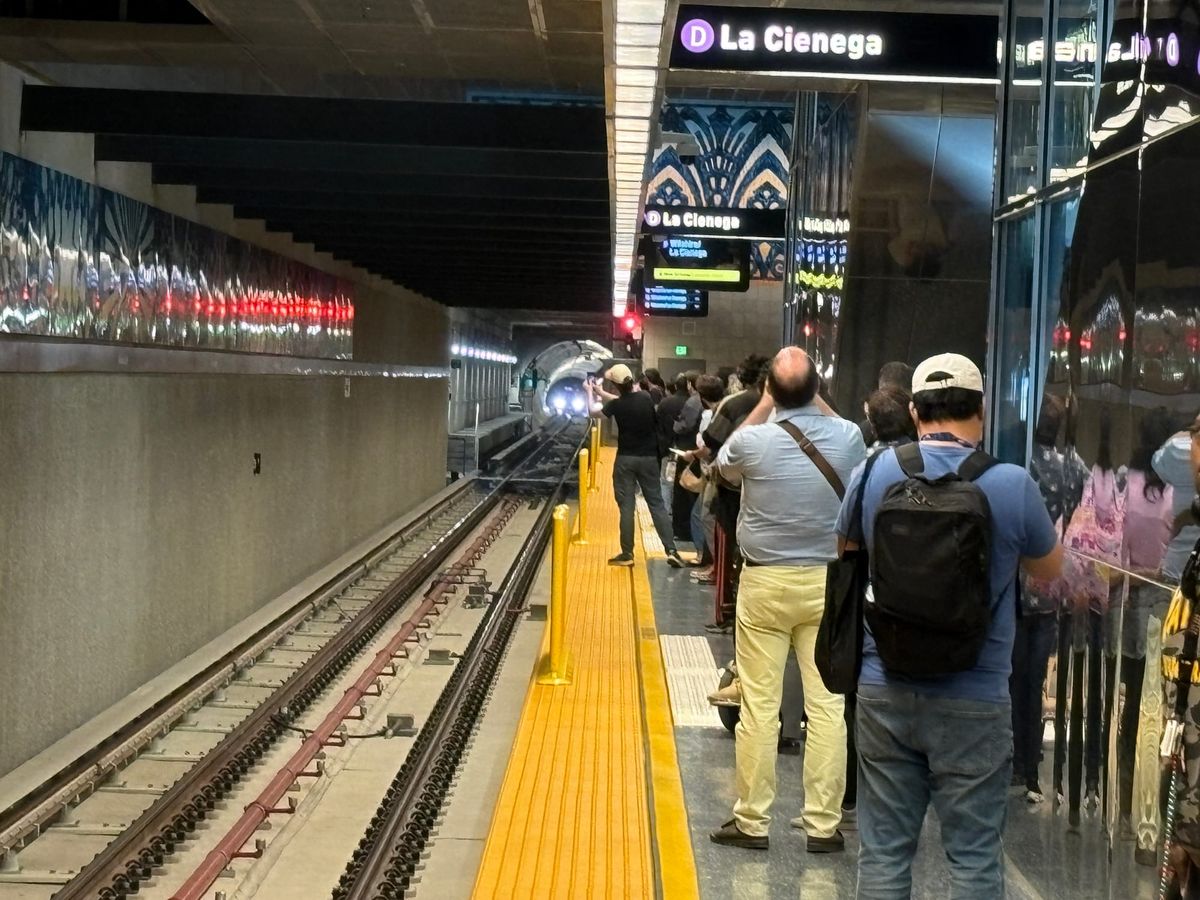
I reflect on that lineage now, having just volunteered as a poll worker in Los Feliz for the June 2 primary. My fellow workers and I assisted every kind of voter you could imagine – the appreciative people who took their obligations as citizens seriously, first-time voters happy to be there and even those who worried about fraud. The best part of the job was reassuring voters that elections work.
It wasn’t always this way, and that’s part of the reason I became a poll worker to begin with.

Just $33.33. It's less than a tank of gas or a bag of groceries. But that's all it would take from each of our readers to keep Golden State going through 2026.
In 2018, after decades of work in government and journalism, I drove with my wife through the Deep South along the Civil Rights Trail, seeing the actual places where brave Black residents and their northern white allies were beaten and murdered for simply trying to protect the right of citizens to vote.
So when Republicans launched a frontal assault on elections in 2020, I got involved and became a poll worker. This week, on June 2, I completed my eighth election assignment.
It helps that the work is also emotionally gratifying. At the Elysian Masonic Temple vote center in Los Feliz, I was delighted to reconnect with three former coworkers from a Hollywood center we’d all staffed in the 2024 general election. A day or two into the 10 days the vote center operated, I found myself in an anguished conversation counseling one of them about an ailing pet she feared having to put down. A Persian co-worker who’d fled Iran after the 1979 revolution looked across our room crowded with voters and blurted out to me how wonderful American democracy was. She tearfully cried, “There is no more democracy in my country, it’s all gone.”
 Josh Gohlke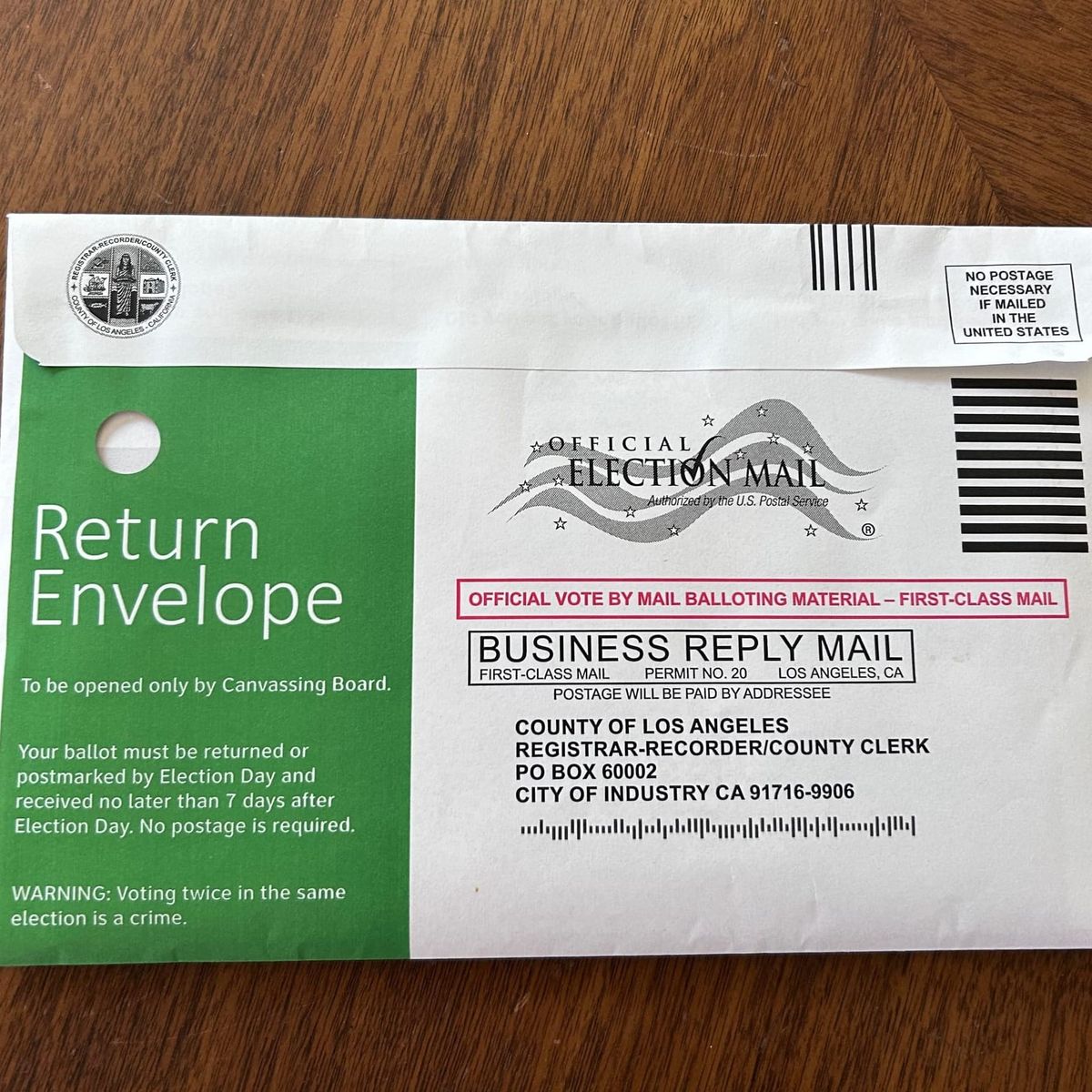
The voters were generally polite and grateful. One happy mom, whose daughter I had registered the previous day, returned for a family picture in front of our “LA Vote” backdrop, insisting that I join them.
Handling suspicious or unhappy voters offered a different kind of reward. The evening of June 2, one guy came to me after arguing with other workers over the long wait. I wondered why he’d procrastinated until two hours before closing time on our last and busiest day, after we’d already been open for 10 days. But I just bit my tongue and issued his ballot.
After he finished voting, he returned to my station. “That was awesome!” he exclaimed. “I just want to say that I’m sorry I gave you attitude before; you guys are doing a great job.” He thrust out his hand for a shake.
Some voters couldn’t understand why we didn’t ask for ID (it’s against the law in California). After one guy pressed me on voter fraud and ballot security, I patiently explained our training, our experience, the multiple redundancies, the chain of custody records for all equipment and the process for securing, transporting and tallying ballots. He replied with genuine surprise: “So the system basically makes vote fraud impossible! I feel a lot better about it. I wish more people understood it the way you explained.”
 Mariel Garza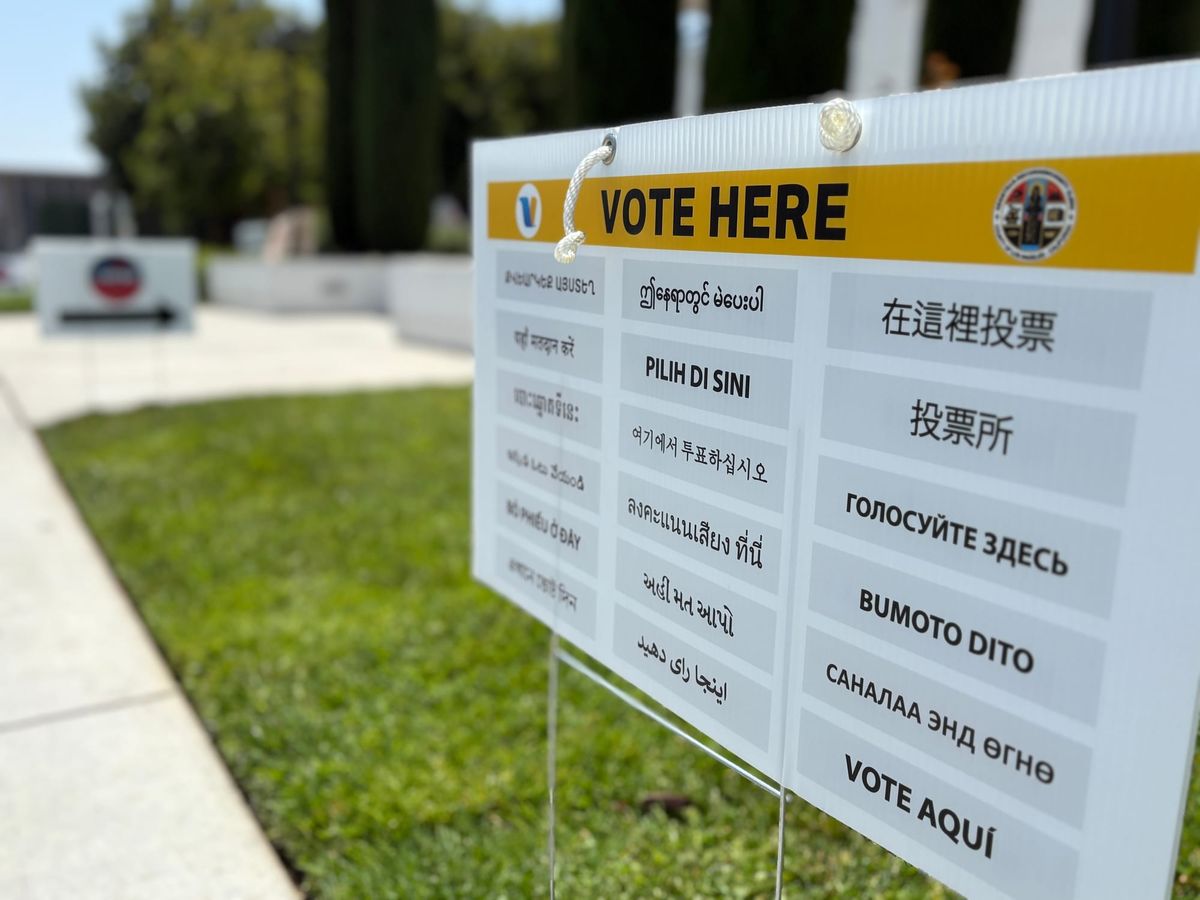
My biggest takeaway from the poll worker experience has been the sobering realization that democracy’s greatest danger comes not from any external threat but from our own negligence and disinterest. Election officials have carpet-bombed us with public-service reminders to vote, yet L.A. County registrar data show some 13% of eligible Angelenos are not even registered. The Los Feliz vote center was slammed on June 2, but before that, the turnout was barely a trickle. No organized effort could suppress the turnout as effectively as the apathy among the strong majority of registered voters who could not be bothered to cast a ballot.
Democracy doesn’t just die in darkness. We are killing it in broad daylight. While most voters now cast their ballots by mail, I think there is no substitute for sharing that civic experience at a vote center in person. Next election, maybe I’ll see some of you at mine.
 Paul Thornton
 David L. Ulin