

In 1942, the family of Darrell Kunitomi was imprisoned for nothing other than their ethnicity. The camps Kunitomi’s mother, uncle and others were forced into during World War II were not benign, but they did have visitors, gardens, even photos of their interiors, some taken by Ansel Adams and Dorothea Lange.
Kunitomi, who is the former L.A. Times company historian, writes: “Today’s camps are black holes,” places where guards reportedly take bets on suicide attempts and some inmates even disappear. He says his mother and uncle, who died fighting in France in 1944, would surely be horrified by the Trump administration’s targeting of immigrants today.

Golden State is a member-supported publication. No billionaires tell us what to do. If you enjoy what you're reading, please consider upgrading to a paid subscription and support independent, home-grown journalism.
USC cancels its problematic gubernatorial debate. Smart move.
By Mariel Garza
The University of Southern California was wise to cancel this evening’s gubernatorial forum. USC, along with co-hosts KABC-TV and Univision, were rightly criticized for excluding the four prominent candidates of color from the event and there were calls to boycott.
Up until then, USC had defended its decision. And while I believe the formula wasn’t intentionally designed to be discriminatory, come on: Someone among the organizing group should have realized weeks ago that inviting only white, non-Latino candidates would be a bad look and suggested another plan.
What made this particular lineup all the more objectionable is that Xavier Becerra, Antonio Villaraigosa, Betty Yee and Tony Thurmond have far more relevant experience than the six people who will be at the forum tonight. Becerra was U.S. Health and Human Services secretary under President Biden and previously California attorney general; Villaraigosa was the two-term mayor of Los Angeles and former speaker of the state Assembly; Yee was state controller for two terms; and Thurmond is the state superintendent of public instruction.
 Paul Thornton
By contrast, here are the short CVs of those who were invited. Republican Steve Hilton, a British former Fox News commentator who never held public office; Democrat Tom Steyer, a billionaire former hedge fund manager who has never held public office; Democrat Katie Porter, a former congresswoman and law professor at UC Irvine; Bay Area Democratic Rep. Eric Swalwell, most widely known as a cable news talking head; Democrat Matt Mahan, who has been mayor of San Jose since 2023; and Republican Chad Bianco, the Riverside County sheriff who last week seized 650,000 ballots from the Proposition 50 special election claiming to look for fraud, of which there is no evidence.
Now maybe USC can come up with a plan that gives Californians the candidate forum they deserve.
Join the discussion
Mariel Garza will join Golden State contributor Josh Gohlke on Substack live today at 12:30 to talk more about the governor's race and other topics.
Is labor losing its grip on L.A. power?
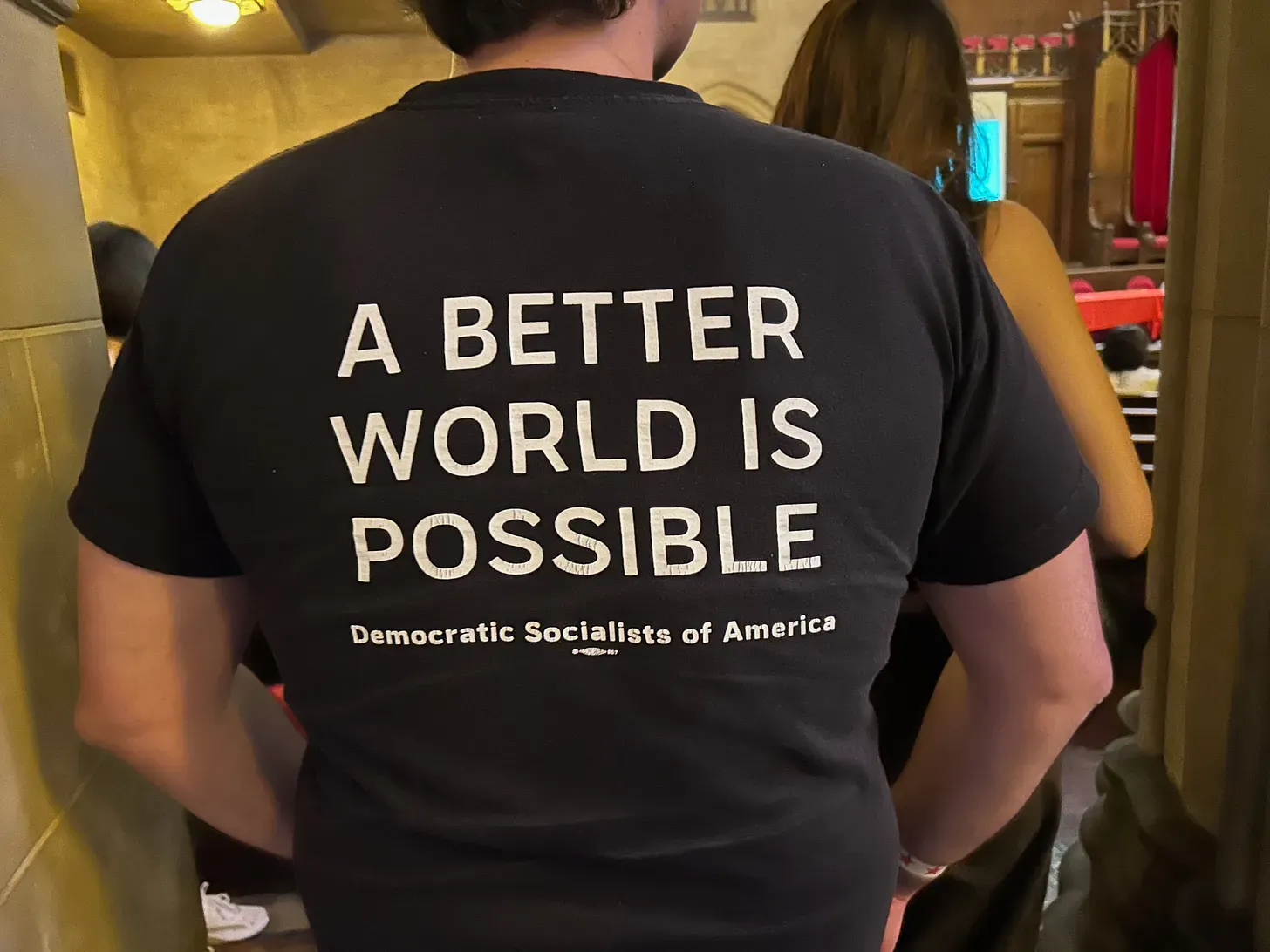
Some of the union leaders who came out in force to elect Karen Bass mayor of Los Angeles in 2022 are more lukewarm about her this time around. They haven’t abandoned her, says journalist Jim Newton, but the relative softness of their support in 2026 provides a bigger opening for other groups such as the Democratic Socialists of America to influence the race.
Labor remains powerful in Los Angeles and “will help pick the next mayor,” Newton writes. “But nothing stays the same forever in politics.”
 Mariel Garza
Noted, with comment
Judge the judges? San Francisco Chronicle columnist Emily Hoeven points out the absurdity that the state asks people to vote on judges but makes it nearly impossible for them to review their rulings.
Count faster, California: There’s no credible evidence of widespread voter fraud. Still, says L.A. Times columnist Mark Z. Barabak, the time it takes to count all ballots feeds conspiracy theories, and the state should look at ways to produce election results faster while maintaining voter access.
More pavement: Metro, L.A. County’s transportation agency, expects to spend about $890 million next year expanding freeways. StreetsblogLA’s Joe Linton says this reflects the disconnect between Metro’s rhetoric on climate change and its spending priorities.
DTLA on foot: At Torched.LA, Alissa Walker, um, walked the so-called DTLA Path of Progress, a route through downtown Los Angeles targeted for upgrades meant to make street-level life more pleasant. Planners should read Walker’s piece (and Torched in general) for tips on making L.A. more livable.
 Josh Gohlke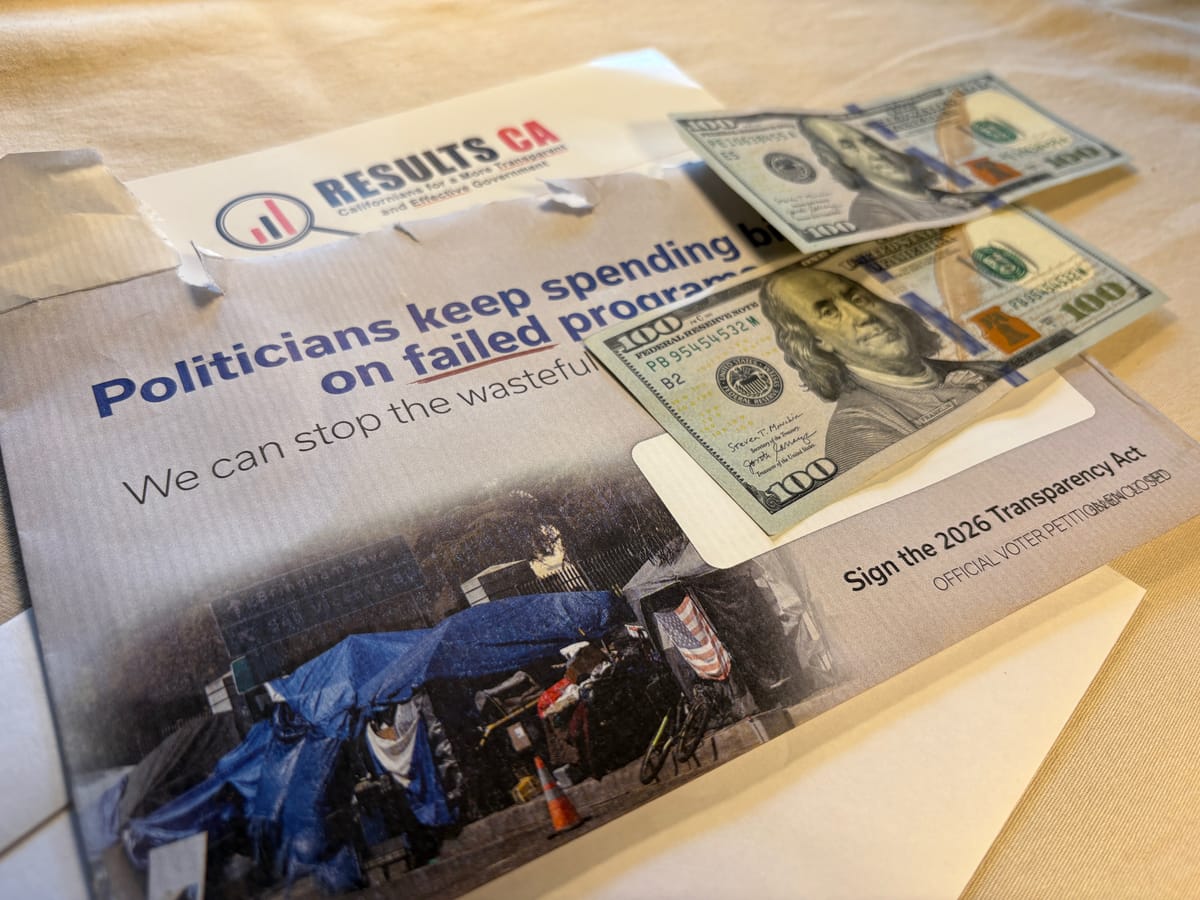
New drought? Sacramento Bee columnist Tom Philp says that if California is on the verge of another historic, multi-year drought, its beginning will surely look like the record heat and minimal precipitation we’ve been seeing this March.
Bye Chavez, hello Chuck? We’ll leave it to readers to guess if the California Post editorial board is serious about its suggestion to put the late Chuck Norris’ name on some of the buildings and streets bearing the disgraced Cesar Chavez’s name.
Substack shoutouts
Takedown timing: Brandon Loran Maxwell at the Daily Chela wonders if there’s a political agenda behind the spectacular fall of Cesar Chavez, who died more than 30 years ago but was still the target of a lengthy New York Times investigation. “In a newsroom full of urgent, living stories demanding attention, the paper chose to elevate this decades-old tale above everything else,” he says.
Pension games: Political strategist Jon Fleischman writes at So, Does It Matter? that the pension “fix” for California Highway Patrol officers passed by the state Assembly is no fix at all, but actually an ineffective workaround that adds cost and risk.
Merci for the memories: At No Bad Days, guest writer Emily Glennon pens a tribute to the French restaurant Taix (“less evocative of France than it is a sort of French-American Disneyland), which will close the doors of its Echo Park home of 64 years on Sunday.
Front lines of the movement: Joan Baez, Daniel Ellsberg, dusty fields and the “electricity of possibility” – Jim Boren, former executive editor of the Fresno Bee, recalls the personalities and atmosphere from his days reporting from the picket lines of the 1970s farmworkers’ grape strike.


